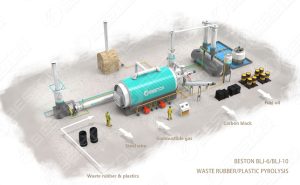
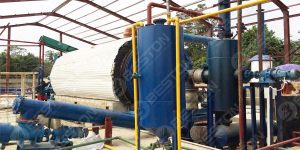
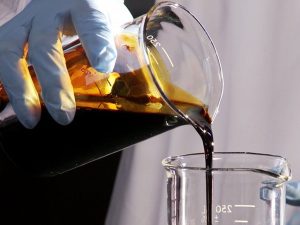
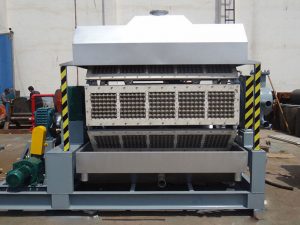
In the realm of waste management and sustainable practices, pyrolysis plants stand out as a promising solution for dealing with end-of-life tires. These plants employ a thermochemical process to convert used tires into valuable resources like fuel oil, carbon black, and steel. While the benefits of pyrolysis are evident, operators often face the challenge of high operating costs. However, with strategic measures and efficient practices, it is possible to mitigate these expenses and enhance the profitability of a tyre pyrolysis plant.
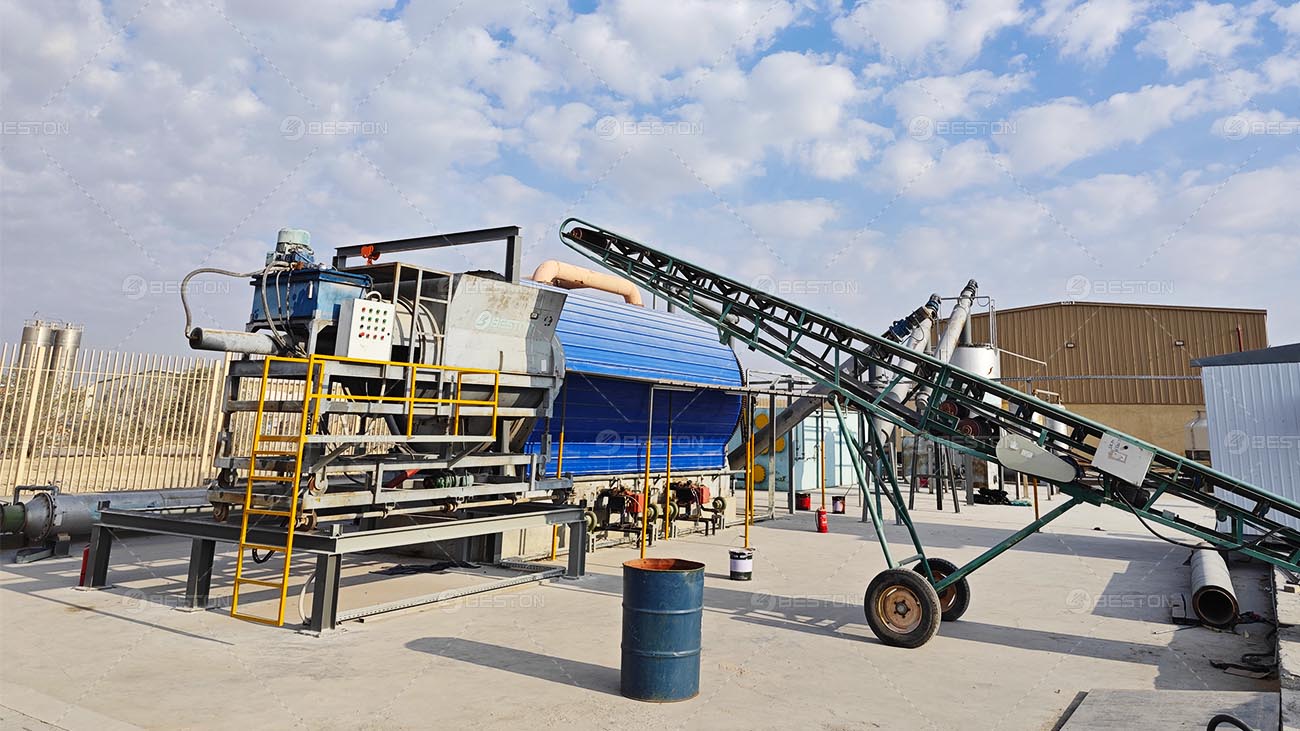
Understanding Pyrolysis Plant Cost Dynamics
Before delving into cost reduction strategies, it’s crucial to comprehend the factors that contribute to the overall operating cost of a tire pyrolysis plant.
Key Cost Components:
- Raw Material Acquisition: The cost of acquiring used tires, which serves as the primary feedstock for the pyrolysis process.
- Energy Consumption: Energy-intensive operations such as heating the reactor and maintaining optimal process temperatures.
- Labor Expenses: Salaries and wages for plant personnel involved in monitoring, maintenance, and control operations.
- Maintenance and Repairs: Regular upkeep of equipment to ensure operational efficiency and longevity.
- Waste Management: Handling and disposal of by-products and residues generated during the pyrolysis process.
- Regulatory Compliance: Costs associated with adhering to environmental regulations and obtaining necessary permits.
Strategies for Cost Reduction
1. Optimize Feedstock Management
Utilize Local Suppliers: Establish partnerships with local tire collection agencies or municipalities to procure used tires at competitive prices. This reduces transportation pyrolysis plant costs and fosters community engagement.
Implement Quality Control Measures: Ensure the quality and consistency of feedstock by inspecting incoming tires for contaminants or unsuitable materials. This prevents operational disruptions and minimizes processing inefficiencies.
2. Enhance Energy Efficiency
Invest in Energy-Efficient Equipment: Upgrade to modern pyrolysis technology equipped with advanced heating mechanisms and insulation materials. This reduces heat loss and lowers overall energy consumption during the pyrolysis process.
Implement Heat Recovery Systems: Install heat exchangers or recovery units to capture and reuse excess heat generated within the plant. By repurposing thermal energy for preheating or auxiliary processes, significant savings can be achieved in fuel or electricity consumption.
3. Streamline Operational Processes
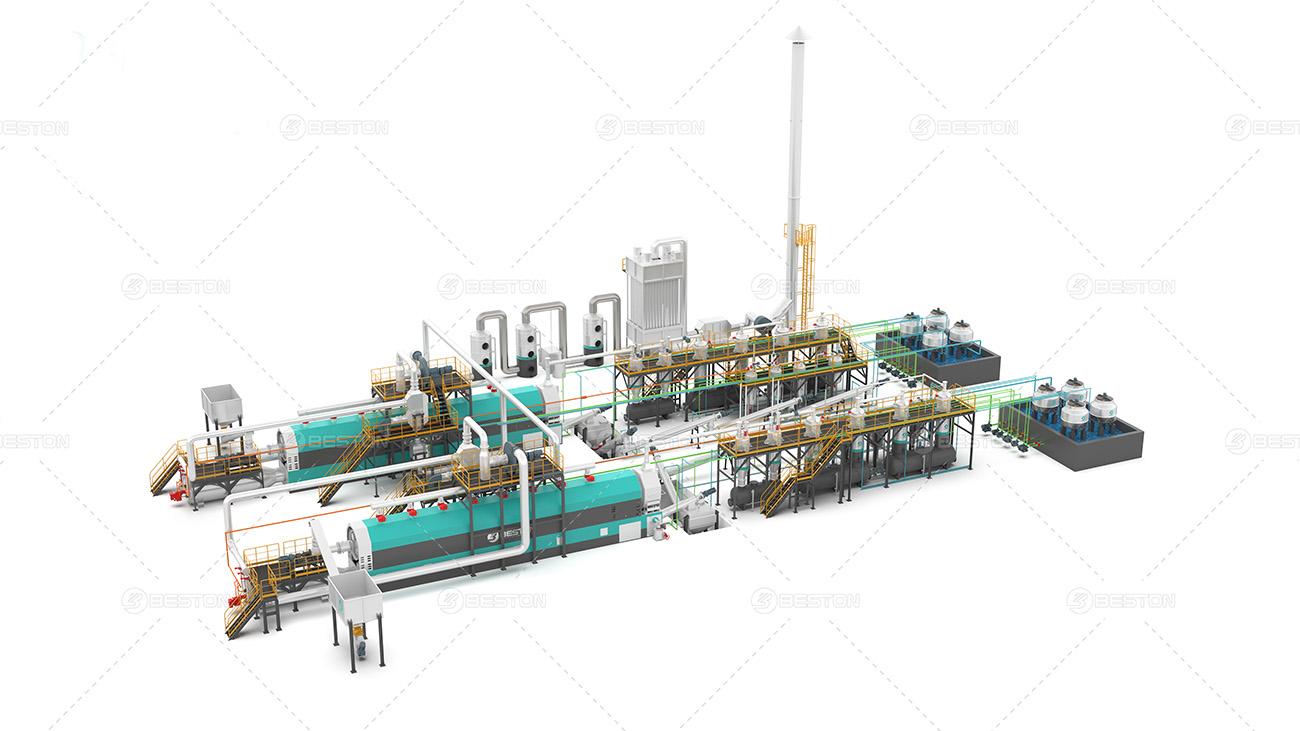
Automation and Control Systems: Implement automation solutions and process control systems to optimize operational parameters such as temperature, pressure, and feed rates. A fully continuous pyrolysis plant may be a good choice. This minimizes human error, improves process stability, and reduces the need for manual intervention.
Scheduled Maintenance: Develop a proactive maintenance schedule to address equipment wear and prevent unplanned downtime. Regular inspections, lubrication, and component replacements extend the lifespan of critical machinery and mitigate the risk of costly breakdowns.
4. Explore Value-Added Opportunities
Diversify Product Portfolio: Explore additional revenue streams by refining pyrolysis outputs into higher-value products like specialty oils, activated carbon, or composite materials. Market research and product development efforts can identify lucrative market segments and enhance overall profitability.
Resource Recovery and Recycling: Investigate opportunities for resource recovery from pyrolysis by-products such as steel wires and carbon black. Establish partnerships with industries that utilize these materials as inputs, thereby creating a closed-loop supply chain and reducing waste disposal costs.
5. Foster Continuous Improvement Culture
Employee Training and Engagement: Invest in training programs to empower plant personnel with the skills and knowledge necessary for optimizing plant operations. Encourage employee feedback and participation in improvement initiatives to foster a culture of innovation and efficiency.
Performance Monitoring and Benchmarking: Implement key performance indicators (KPIs) to track energy consumption, production yields, and operational costs. Compare performance metrics against industry benchmarks and best practices to identify areas for improvement and set realistic targets. If you are looking for a complete tire pyrolysis recycling solution, please visit: https://bestonmachinery.com/
Conclusion
Reducing the operating cost of a tyre pyrolysis plant requires a multifaceted approach that addresses various cost drivers while maximizing operational efficiency and resource utilization. By optimizing feedstock management, enhancing energy efficiency, streamlining operational processes, exploring value-added opportunities, and fostering a culture of continuous improvement, plant operators can achieve sustainable cost reductions and strengthen the financial viability of pyrolysis as a waste management solution.
In the pursuit of cost optimization, it’s essential to strike a balance between short-term savings and long-term investments in technology, infrastructure, and human capital. By embracing innovation and embracing a holistic approach to cost management, tyre pyrolysis plants can play a pivotal role in promoting environmental sustainability and resource conservation for years to come.