Understanding the Different Types of Pulp Molding Tableware Machine: Manual, Semi-Automatic, and Automatic
The pulp molding industry has gained significant traction in recent years, driven by the demand for sustainable and biodegradable alternatives to plastic. Central to this sector are pulp molding tableware machines, which are designed to produce eco-friendly products from recycled paper pulp. These machines can be categorized into three primary types: manual, semi-automatic, and automatic. Each variant has its unique characteristics, advantages, and limitations that cater to different production needs and operational capacities.
Manual Pulp Molding Tableware Machine
The manual pulp molding tableware machine is the simplest form of pulp molding equipment. It is operated entirely by human intervention, making it an ideal choice for small-scale producers or artisanal manufacturers. This type of machine typically consists of a basic framework that includes molds and a drying system.
Advantages
One of the primary advantages of a manual machine is its lower initial cost. Since it requires minimal mechanization, the upfront investment is significantly less than that of automated counterparts. Furthermore, manual machines are often easier to operate and maintain, as they do not involve complex electronics or software.
Another notable benefit is the flexibility they offer. Operators can easily change molds to produce various shapes and sizes of tableware, making manual machines suitable for niche markets that demand custom designs.
Limitations
However, the manual pulp molding machine also has its drawbacks. Production rates are considerably slower compared to semi-automatic and automatic machines. This limitation can hinder scalability, making it difficult for manufacturers to meet high demand. Additionally, the reliance on manual labor can introduce variability in product quality, which may affect customer satisfaction.

Semi-Automatic Pulp Molding Tableware Machine
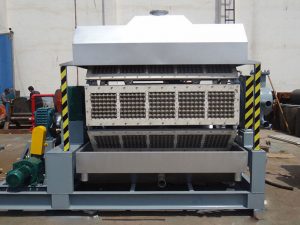
Semi-automatic paper pulp molding machine represents a middle ground between manual and fully automated systems. These machines incorporate some level of automation, often in the form of mechanized components that assist with pulp forming and drying processes.
Advantages
One of the main advantages of semi-automatic machines is their improved efficiency. By automating certain aspects of the production process, manufacturers can significantly increase output without sacrificing quality. This type of machine also requires fewer operators, which can lead to reduced labor costs.
Moreover, semi-automatic machines often feature programmable controls, allowing for greater precision in production. This enhanced control can facilitate the consistent manufacturing of high-quality tableware, catering to both bulk orders and bespoke requests.
Limitations
Despite their benefits, semi-automatic machines may still present challenges. The initial investment is higher than that of manual machines, which may deter small-scale operations. Additionally, while they offer increased efficiency, the complexity of semi-automatic systems may necessitate a higher level of technical expertise for operation and maintenance.

Automatic Pulp Molding Tableware Machine
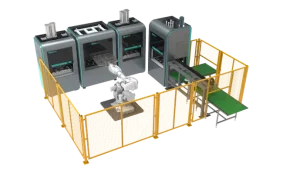
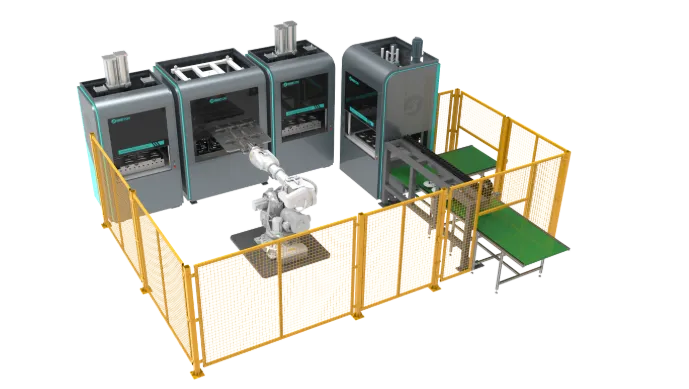
The automatic biodegradable plate making machine represents the pinnacle of technological advancement in the pulp molding sector. These machines are fully automated and capable of operating with minimal human intervention, often incorporating advanced features such as real-time monitoring and automated quality control systems.
Advantages
The primary advantage of automatic machines is their unparalleled efficiency. Capable of producing large volumes of tableware in a fraction of the time required by manual or semi-automatic machines, these systems are ideal for high-demand production environments. The automation also minimizes human error, resulting in consistently high-quality products.
In addition, automatic machines often come equipped with sophisticated features that enhance operational flexibility. For instance, many models allow for quick mold changes, facilitating the production of a diverse range of tableware styles without extensive downtime.
Limitations
However, the cost associated with automatic machines is a significant consideration. The high initial investment and ongoing maintenance costs can be prohibitive for smaller manufacturers. Moreover, the complexity of these systems may require specialized training for operators, which could entail additional expenses.
Conclusion
In summary, the choice of tray making machine—whether manual, semi-automatic, or automatic—depends on various factors, including production scale, budget, and desired product quality. Manual machines offer a cost-effective solution for small-scale producers, while semi-automatic machines provide a balance of efficiency and flexibility. For those seeking maximum output and minimal labor, automatic machines represent the optimal choice. Understanding these distinctions is crucial for manufacturers aiming to navigate the evolving landscape of sustainable tableware production effectively.