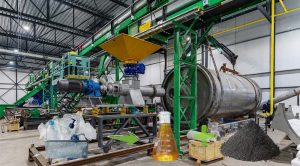
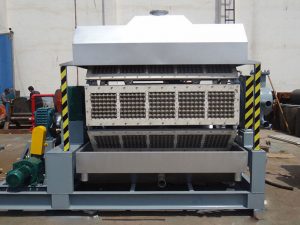
Investing in a small plastic pyrolysis machine offers numerous advantages, especially as the world faces growing waste management challenges. This technology provides an effective and sustainable solution for converting plastic waste into valuable products such as fuel oil, carbon black, and gas. While large-scale operations often dominate industrial pyrolysis, small-scale machines can also offer substantial investment returns, particularly for smaller enterprises or those entering the waste-to-energy market. Below, we explore the financial, environmental, and operational benefits of investing in this equipment.
Low Initial Capital Outlay
One of the most significant advantages of a small plastic pyrolysis machine is the relatively low initial investment required. Unlike larger industrial-scale machines, small pyrolysis units are more affordable, making them accessible to a broader range of investors. These machines are typically compact, which further reduces the need for large facilities or infrastructure. This lower entry cost allows entrepreneurs or small businesses to enter the pyrolysis industry with a reduced financial burden, allowing for quicker breakeven periods.
Moreover, the smaller scale of operation means that investors can start with modest amounts of plastic waste and scale their operations as demand for products like fuel oil or carbon black increases. This incremental growth model helps businesses remain flexible and financially stable in the early stages.
High Return on Investment (ROI)
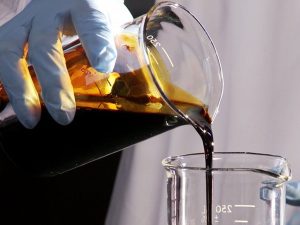
The profitability of a plastic pyrolysis plant is directly related to the efficiency of the system and the market demand for its byproducts. Small pyrolysis machines offer excellent ROI due to the high-value products they generate from waste plastics. The primary byproduct, fuel oil, can be used for various applications such as powering generators, running machinery, or even further refined into commercial-grade fuels. As the global demand for sustainable energy increases, fuel oil derived from plastic pyrolysis is becoming a more viable and profitable product.
Additionally, carbon black, another byproduct, has widespread industrial applications in manufacturing, especially in the production of rubber, plastics, and inks. The demand for carbon black is also on the rise, making it a valuable output for businesses running small pyrolysis machines.
By producing these valuable byproducts from waste plastic, the machine helps to create a steady income stream for businesses. This revenue generation, combined with relatively low operating costs, ensures that the investment yields a solid return in a short period.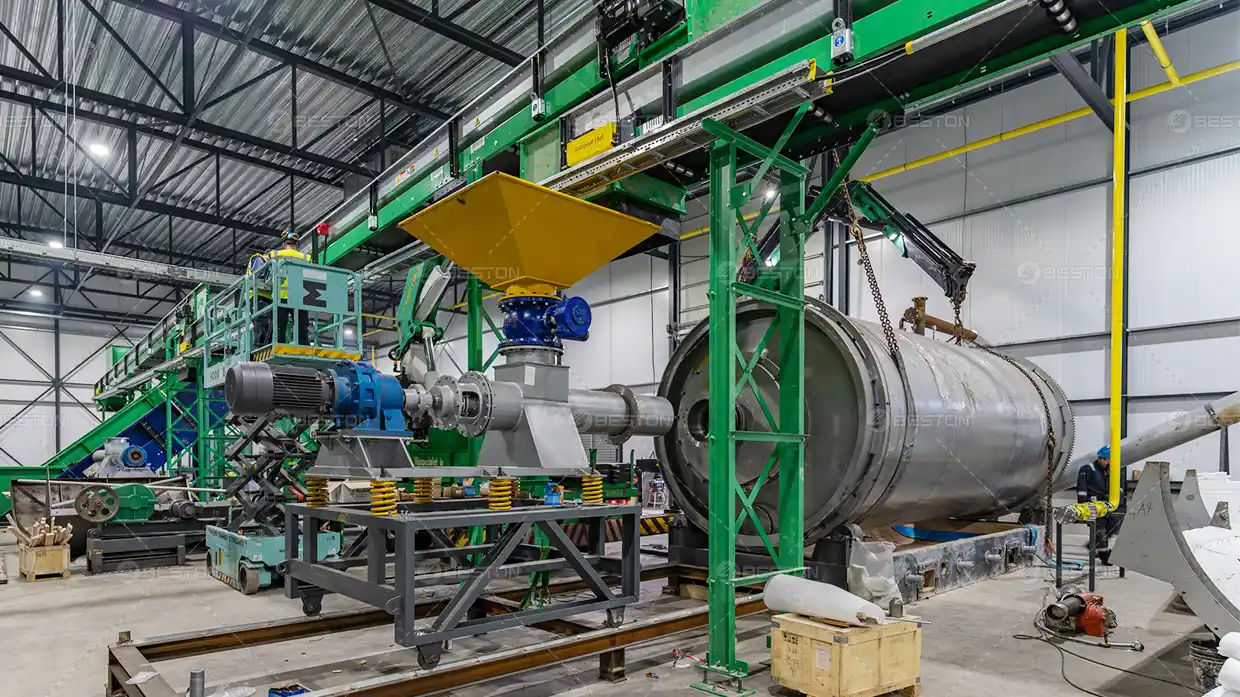
Environmental Impact Reduction
The environmental benefits of small scale pyrolysis equipment is substantial. With plastic waste continuing to pose a major global challenge, converting plastics into fuel and other useful products provides an effective waste management solution. Rather than allowing plastic waste to accumulate in landfills or pollute natural ecosystems, the pyrolysis process converts these materials into useful resources.
Small pyrolysis machines play a significant role in reducing plastic pollution by offering localized solutions to waste management. With the ability to process various types of plastics, these machines help divert waste from traditional disposal methods, such as incineration or landfilling, which are both environmentally harmful. Moreover, by converting plastic waste into energy, these machines contribute to the reduction of fossil fuel dependence, further enhancing their sustainability profile.
By investing in such technology, businesses not only generate profits but also contribute to environmental preservation, which is becoming increasingly important in today’s eco-conscious economy.
Operational Efficiency and Flexibility
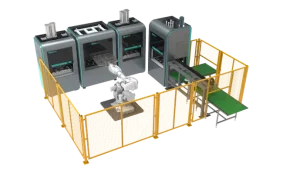
Small pyrolysis machines are designed to be highly efficient, requiring minimal operational oversight. With automated systems for temperature and pressure control, these machines ensure consistent output quality and reduce the potential for human error. This makes them an attractive option for businesses looking to streamline their operations and minimize labor costs.
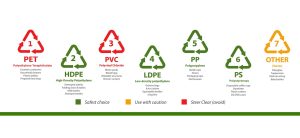
Additionally, small-scale machines offer flexibility in terms of the types of plastics they can process. Whether it is low-density polyethylene (LDPE), polypropylene (PP), or polystyrene (PS), these machines can handle a wide variety of plastic materials. The ability to process mixed plastic waste makes small pyrolysis units particularly valuable in regions where plastic waste is not sorted or is contaminated. If you want to get a more advanced pyrolysis plant, please consult Beston Group Co., Ltd.
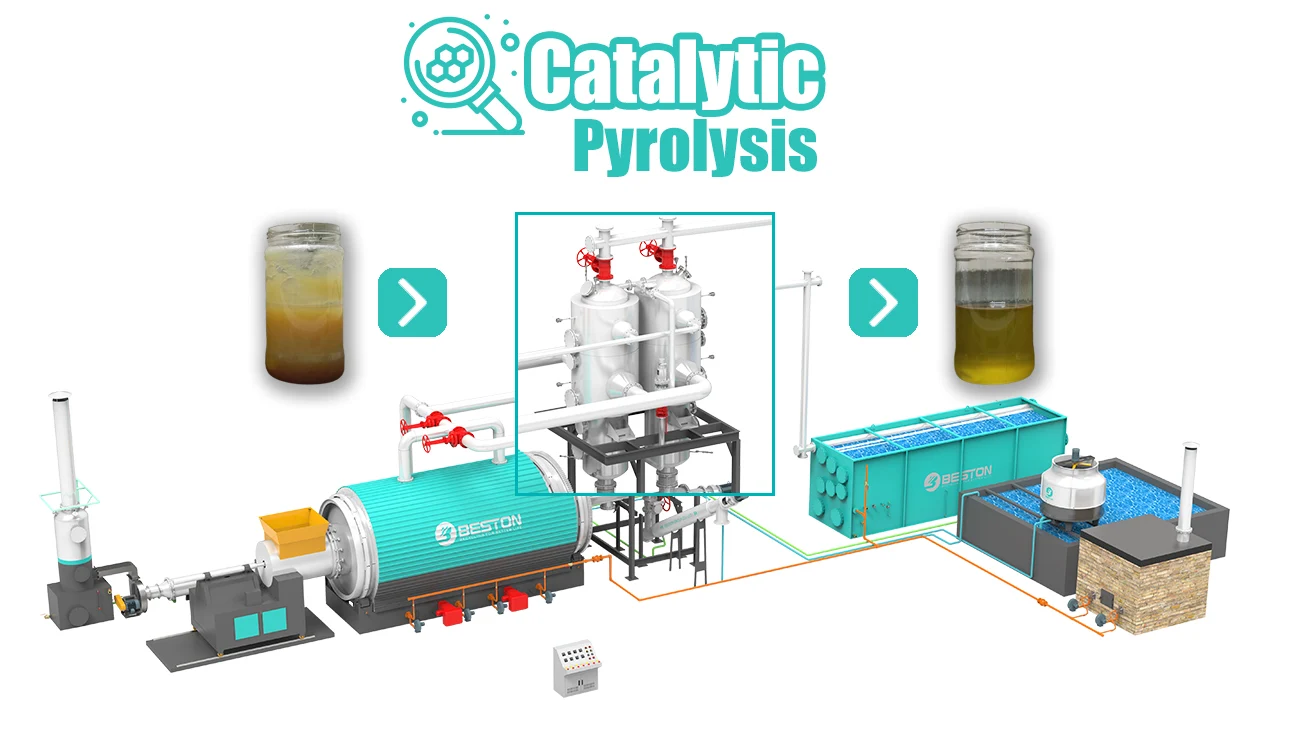
The compact nature of these machines also enables operators to adapt quickly to changes in the volume of feedstock. Whether operating in a highly urbanized area or a smaller community, these machines can be deployed in various settings, allowing businesses to meet localized demand efficiently.
Regulatory Support and Market Opportunities
Governments and international bodies are increasingly recognizing the importance of recycling and waste management. Incentives and subsidies for green technologies are growing globally, especially for solutions like plastic pyrolysis, which offer a dual benefit of waste reduction and energy production. Investors in small pyrolysis machines may be eligible for tax breaks, grants, or low-interest loans, making the initial investment even more attractive.
Furthermore, as public and corporate demand for sustainable products grows, small pyrolysis machines provide an opportunity to tap into emerging markets. The products generated, such as fuel oil, carbon black, and combustible gas, can be sold to a variety of industries, further enhancing the profitability of the operation.