Adopting sustainable practices has become a priority for businesses across industries, and investing in an eco friendly plate making machine represents a strategic step toward achieving this goal. Beyond environmental benefits, such a purchase offers significant financial advantages in the long term. A comprehensive cost analysis reveals how this investment minimizes expenses while aligning operations with growing market and regulatory demands for sustainability.
Initial Investment and Equipment Cost
The upfront cost of an eco friendly plate making machine can vary significantly depending on its capacity, level of automation, and additional features. Machines equipped with advanced technologies such as automated drying systems or multi-functional molds typically come at a higher initial price. However, these enhancements often deliver superior efficiency, reducing operational waste and labor costs.
For small to medium enterprises, semi-automatic machines offer a budget-friendly entry point. On the other hand, large-scale operations may find fully automated models more cost-effective due to their higher throughput and reduced need for manual intervention. Factoring in the lifespan of the machine, which often exceeds a decade with proper maintenance, the initial investment becomes a depreciable asset with long-term returns.

Operating Costs and Energy Efficiency
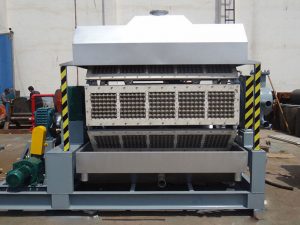
A pulp molding tableware machine is designed with energy efficiency at its core, which significantly reduces ongoing utility expenses. Advanced models feature optimized drying mechanisms, such as multi-layer drying tunnels or solar-powered systems, which consume less energy compared to traditional counterparts. These systems can cut energy usage by up to 40%, providing substantial savings over time.
Moreover, such machines use renewable raw materials, including bagasse, bamboo pulp, or recycled paper. These materials are not only cost-effective but also widely available, minimizing procurement expenses and shielding businesses from market volatility associated with petroleum-based products.

Labor and Maintenance Considerations
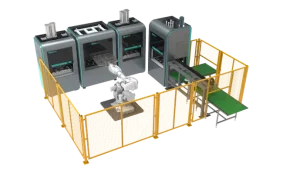
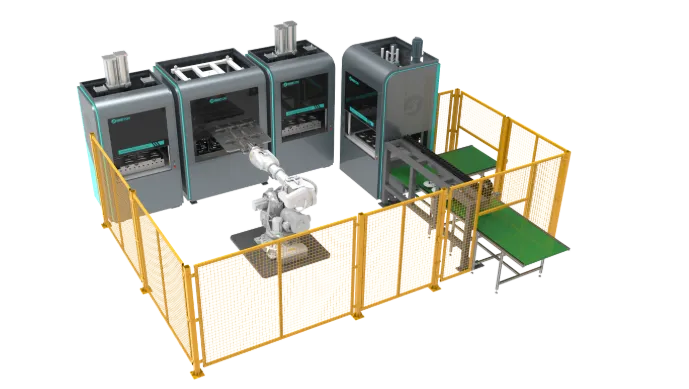
Automation in pulp molding machine reduces labor costs by streamlining production processes. Tasks like pulp feeding, molding, and stacking are handled efficiently by the machine, requiring minimal human oversight. Businesses can reallocate manpower to other critical areas, further optimizing their operations.
Maintenance costs are also relatively low, thanks to robust designs and modular components. Many modern machines include predictive maintenance systems that alert operators to potential issues, preventing costly downtime and extending equipment life.
Revenue Opportunities and Market Appeal
Investing in a paper tray machine opens doors to new revenue streams. With increasing consumer demand for biodegradable tableware, businesses can target environmentally conscious markets, including catering services, retail chains, and event organizers. These markets often command higher profit margins, offsetting initial expenses more quickly.
Additionally, companies adopting sustainable practices frequently benefit from tax incentives, subsidies, or grants provided by governments and environmental organizations. These incentives further enhance the financial feasibility of transitioning to eco-friendly production.
Long-Term Savings and Brand Value
While the initial purchase of an eco friendly plate making machine requires careful financial planning, the long-term savings are substantial. Reduced energy consumption, lower material costs, and minimal labor requirements contribute to a significant reduction in operational expenses. Over time, these savings not only recover the initial investment but also increase overall profitability.
Furthermore, aligning with sustainability enhances brand reputation, attracting eco-conscious customers and partners. This improved market position can drive repeat business and foster customer loyalty, providing intangible yet invaluable returns.
Conclusion
Investing in an eco friendly plate making machine is not merely a commitment to environmental responsibility—it is a financially sound decision. By lowering operational costs, expanding market opportunities, and reducing long-term risks, businesses can achieve sustainable growth while contributing positively to the planet. Through strategic planning and effective implementation, this investment paves the way for enduring savings and a competitive edge in the green economy.