In the growing industry of waste-to-energy, turning waste into valuable products like naphtha is gaining traction. By using pyrolysis and distillation processes, waste materials—especially plastics, rubber, and biomass—can be converted into useful oils and gases. One of the valuable fractions that can be obtained from these oils is naphtha, which is widely used in industries like petrochemicals, energy production, and even as a fuel for vehicles.
What is Pyrolysis?
Pyrolysis is a thermal decomposition process where organic material, such as plastics or biomass, is heated in the absence of oxygen to break it down into smaller molecules. This process creates a range of products, including gases (syngas), liquids (pyrolysis oil), and solid residues (char). Pyrolysis has become an essential method for recycling waste materials like tires, plastics, and biomass, making it an environmentally sustainable way to produce valuable products. https://www.bestongroup.com/pyrolysis-plant/
Key products of pyrolysis include:
- Syngas: A mixture of gases such as methane, hydrogen, and carbon monoxide.
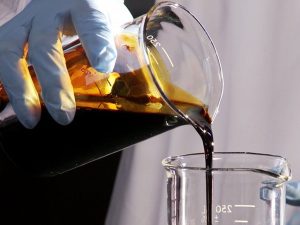
- Pyrolysis Oil: A liquid mixture containing various hydrocarbons, including naphtha, diesel, and gasoline fractions.
- Char: Solid carbon material, often used for biochar production.
Extracting Pyrolysis Oil
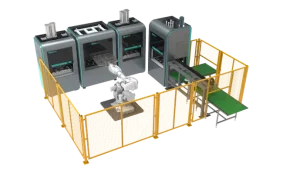
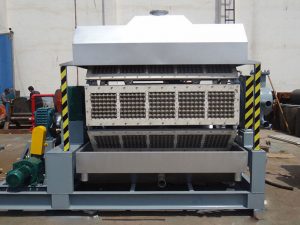
Before we can get naphtha, we first need to extract pyrolysis oil from the waste material. This is done in a oil sludge/plastic/tire to oil plant.
Pyrolysis process overview like this:
- Feedstock (plastics, tires, biomass, etc.) is loaded into a pyrolysis reactor.
- The reactor is heated to high temperatures, typically between 350-700°C, in the absence of oxygen.
- As the materials decompose, they release volatile gases and liquid hydrocarbons.
- These gases and liquids are then condensed into pyrolysis oil.
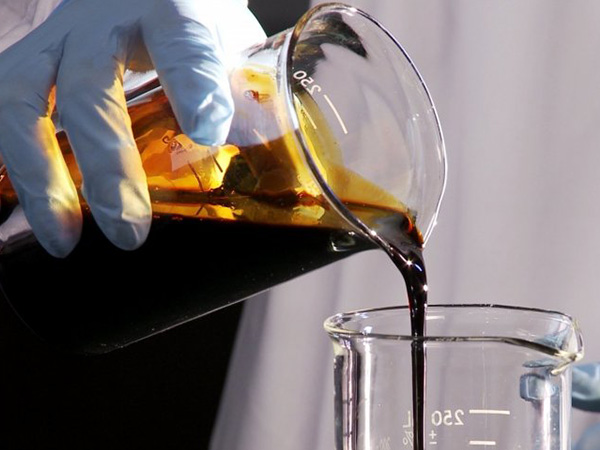
The resulting pyrolysis oil is a complex mixture of hydrocarbons, which includes heavy oils, gasoline, diesel, and naphtha. The chemical composition of this oil varies based on the feedstock used, but it typically contains a range of aromatic hydrocarbons, alkanes, and cyclic compounds.
Separation of Naphtha through Distillation
Once the pyrolysis oil is collected, the next step is to separate the valuable naphtha fraction from other components like gasoline or diesel. This is achieved using a process called distillation.
What is Distillation?
Distillation is a separation technique that relies on differences in boiling points to separate components of a liquid mixture. For pyrolysis oil, this means heating the liquid to different temperatures, causing each fraction to vaporize at its specific boiling point. The vapor is then condensed into separate fractions.
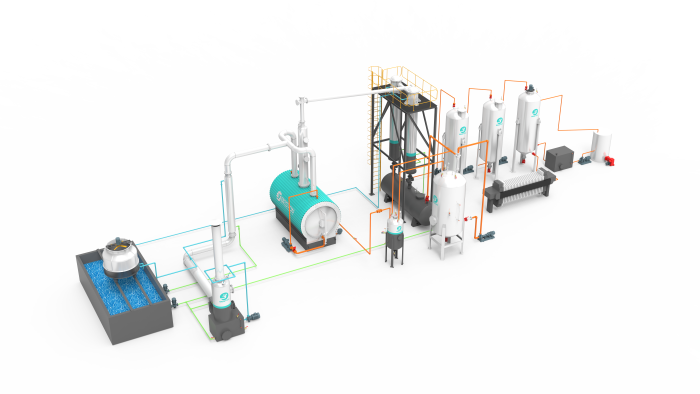
Steps of distillation like this:
- Heat the Pyrolysis Oil: The first step is to heat the collected pyrolysis oil which is extracted by a batch or continuous pyrolysis plant in a distillation column or a distillation unit. The oil is gradually heated to a temperature where lighter fractions (like naphtha) begin to evaporate.
- Fractional Separation: As the oil heats up, different hydrocarbons will boil at different temperatures:
- Naphtha: This typically boils between 30-200°C. It is one of the lighter fractions and can be separated from heavier oils like diesel and gasoline.
- Gasoline: Typically boils between 40-200°C.
- Diesel: Boils between 180-350°C.
- Heavy Oil: Boils at even higher temperatures.
- Condensation: As the vapor rises in the column, it cools and condenses back into liquid form at different stages, depending on the boiling point. The lighter fractions like naphtha will condense at the top of the column, while heavier fractions like gasoline and diesel will condense further down.
- Collection of Naphtha: The naphtha fraction is collected at the top of the column and can be further refined or used directly in applications.
Purification of Naphtha
The naphtha obtained from distillation may contain some impurities, including uncondensed gases or heavier hydrocarbons. To make it suitable for industrial use, it often needs to undergo purification. This can be achieved through:
- Hydrotreater Units: To remove sulfur and nitrogen compounds.
- Dehydration: To remove any moisture.
- Refining: Naphtha may be further treated or blended with other components to meet the required specifications for use in various industries, including petrochemical production or as a fuel.
Conclusion
The extraction of naphtha from pyrolysis oil using distillation is a multi-step process that begins with the thermal decomposition of waste materials and ends with the separation of valuable hydrocarbons. By employing these technologies, businesses and industries can not only recover valuable chemicals like naphtha but also contribute to the circular economy by turning waste into a resource. With continuous advancements in pyrolysis and distillation technologies, this process promises to be a key solution for waste management and sustainable fuel production in the future. Visit Beston Group for feasible solution.